Style Ideas
A Boho Bedroom on a Real Budget
How to build a boho bedroom with layered textiles, plants, and secondhand pieces - a working order of operations for small budgets.
By Mara Bennett · Published February 25, 2026 · Updated February 25, 2026
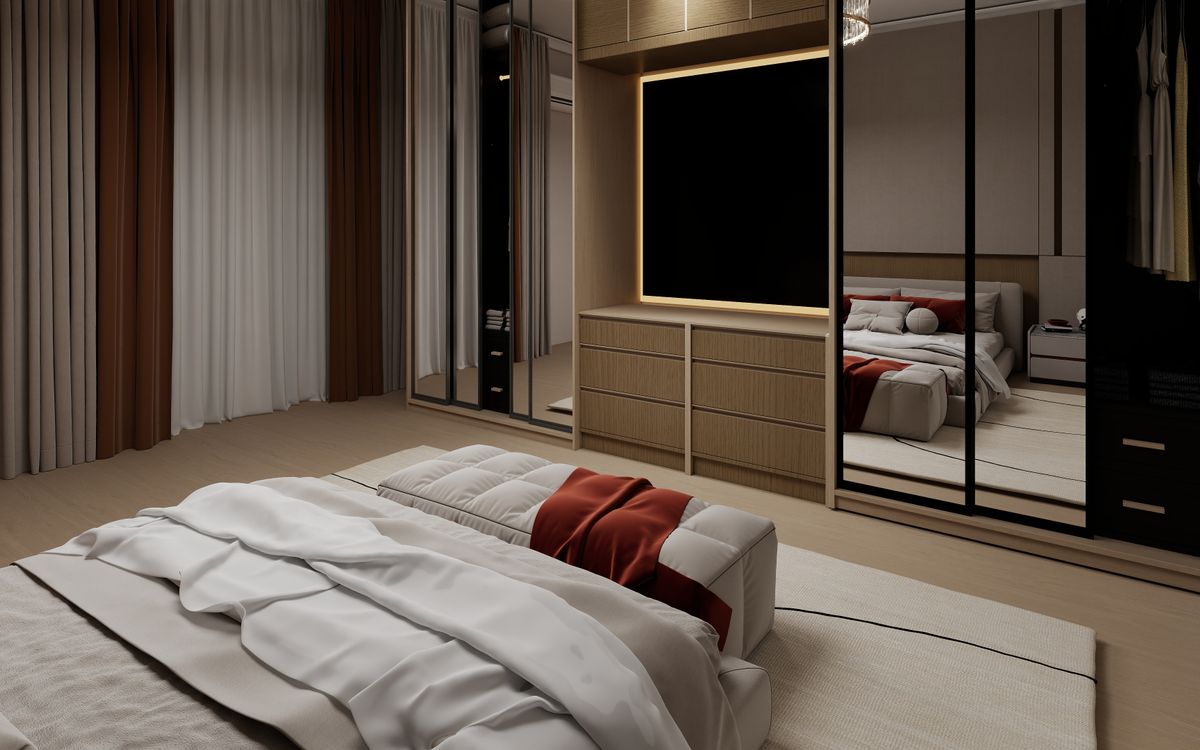
Boho is the most budget-friendly style in the bedroom repertoire, and the reason is structural: the style is made of fabric, plants, and worn things, and all three are cheapest secondhand or layered from what you already own. What it asks for instead of money is patience with gathering - a boho room accretes. It is almost never bought in one afternoon, and the rooms that try usually read as catalog imitations.
The order below is the one I use to build the style from a plain room: textiles first, plants second, secondhand wood third, walls and floor last. Each layer sets up the next, and none of them requires the one after it, so you can stop at any stage and still have a coherent room.
What boho actually costs
The honest answer is that boho’s budget lives in textiles and small objects, not furniture. A plain white duvet cover, three or four mismatched cushion covers, a cotton throw, and a jute rug carry most of the visual weight, and none of them is expensive new - most can be found used for less.
The expensive way to do boho is buying styled “boho sets” - matching macrame, printed duvets, and coordinated accessories from one aisle. Sets flatten the style, because boho’s character comes from things agreeing loosely rather than exactly. Plan to spend real money on almost nothing except, occasionally, one good rug or one substantial plant.
The fabric stack: four layers, thrifted
The bed is the style’s anchor, and it is built as a stack. Layer one is the base bedding - plain white or cream, cotton or cotton-linen blend. Layer two is a coverlet or quilt in a warm tone, used folded at the foot or as the main cover. Layer three is a throw with visible texture - chunky knit, tasseled cotton, or a woven wool blanket - laid across the lower third. Layer four is the cushions: two sleeping pillows, then two or three decorative ones in mixed sizes and fabrics.
The thrifting logic matters here. Decorative cushion covers are among the cheapest secondhand textiles there are, and mismatching is the point - an embroidered cover next to a plain rust one reads boho; four identical printed ones read as a product listing. If you want the full mechanics of stacking order and fabric weights, my piece on layering bedding textures walks through it layer by layer.
Plants: cheap, structural, forgiving
Plants are the second layer, and they do structural work - they fill vertical space that furniture would otherwise have to occupy, which is one reason boho works so well in small rooms. Three or four plants placed at different heights beat a dozen clustered on one surface.
Choose forgiving species first: pothos, snake plants, and spider plants tolerate irregular care, and they are inexpensive to start from small pots and propagate. One larger floor plant - a ficus or a Kentia palm if light allows - anchors a corner better than several small pots. The pot material matters more than the plant type: terracotta, rattan planters, and plain ceramic keep the palette warm, while glossy colored pots pull the room somewhere else.
Secondhand pieces that carry the style
The third layer is wood and woven furniture, gathered rather than bought new. Rattan or cane chair seats, a carved or heavily grained dresser, a bamboo mirror, a woven bench at the foot of the bed - these are the pieces that make a boho room feel inherited rather than decorated. Markets, estate sales, and secondhand platforms carry them at prices far below their new equivalents, and the wear is a feature: scuffed wood and aged cane are exactly the surface the style wants.
One piece per zone is enough. A room with a rattan chair and a worn wooden dresser is already there; a room full of wicker reads as a sunroom. I keep the bed frame itself plain in most budget builds - the textiles carry it, and a plain frame leaves money for the pieces with character.
Walls and floor on small money
With textiles, plants, and wood in place, the shell needs only light treatment. Jute or flatwoven rugs warm the floor, and sizing matters more than pattern - a rug that reaches at least a third of the way under the bed reads intentional, which my bedroom rug sizing guide covers in detail. Wall treatment can be as simple as a change of curtain weight: light cotton or gauze panels filter daylight in a way that suits the style better than blackout polyester, and they cost little.
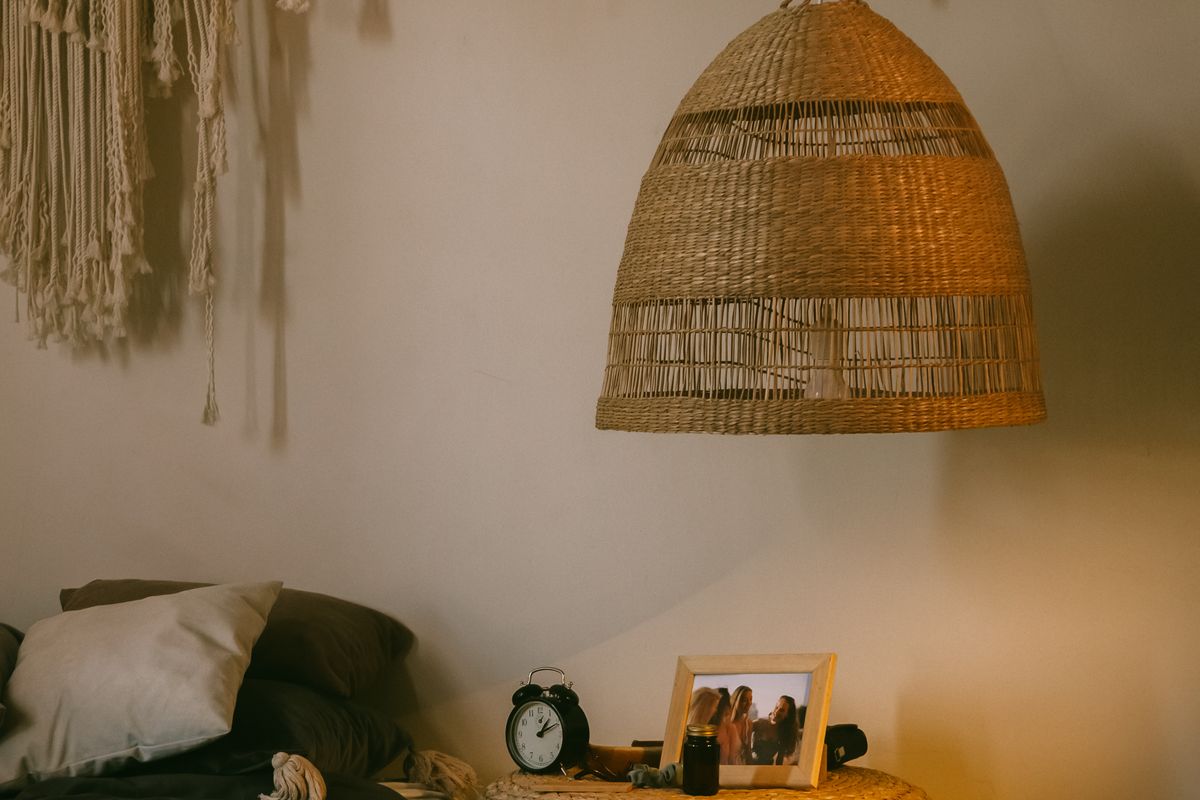
Wall decor stays sparse and personal: one macrame or woven wall hanging at most, a mirror with character, or nothing. Empty walls with good light often serve the style better than covered ones.
Where cheap reads cheap
One caution belongs in every budget build: a few categories punish thrift. Mattresses and pillows you sleep on nightly are worth buying new and decent - layered styling cannot compensate for flat pillows and a sagging base. Cheap synthetic prints also read cheap fast; if the choice is between a new plain cotton cover and a new printed polyester one, take the plain cotton. And be careful with very lightweight curtains and throws - fabric that is too thin goes translucent and scratchy, which shows regardless of the color.
Keeping the layering from tipping into clutter
Boho’s one structural risk is that its own recipe - many textiles, many plants, many objects - drifts into disorder. The control I apply on projects is zoning: the bed owns the fabric stack, one corner owns the plants, one wall owns the baskets or hanging, and every other surface stays clear. Closed storage absorbs the daily objects (chargers, papers, the laptop), because open surfaces in a boho room collect decorative sprawl faster than in any other style.
The five-minute reset also applies: a room of many soft objects needs a nightly half-tidy more than a spare room does. Fold the throw, straighten the two front cushions, water-check one plant - the room keeps its gathered warmth instead of sliding into untidiness.
For the palette behind all of this - which warm tones sit together and which clash - the mood-sorted bedroom color palettes piece gives the color logic, and if you want a calmer take on the same layered approach, the japandi style guide shows what happens when the layering is cut in half.
Frequently asked questions
- What colors work for a boho bedroom?
- Start from a warm neutral base - white, cream, terracotta, or rust - then add one or two earthy accents such as ochre, olive, or dusty rose. Boho rooms stay coherent because the palette is warm and low-saturation; bright colors arrive in small doses through textiles and plants.
- Can you do boho style in a small bedroom?
- Yes, and small rooms often suit it, because boho relies on fabric and plants rather than large furniture. Keep the bed low and simple, layer textiles on the bed and floor instead of adding furniture, and choose two or three larger plants over many small ones.
- How do I keep a boho room from looking cluttered?
- Layer within zones rather than across the whole room - the bed gets the textile stack, one corner gets the plants, one wall gets the baskets or art, and everything else stays quiet. Closed storage for daily objects also matters more in boho rooms than in most styles.