Color & Texture
Layering Bedding Textures Without the Bulk
The stacking order that makes a bed feel layered and rich - five texture families, the sequence they go on in, and how to keep the look light enough for daily use.
By Mara Bennett · Published March 16, 2026 · Updated March 16, 2026
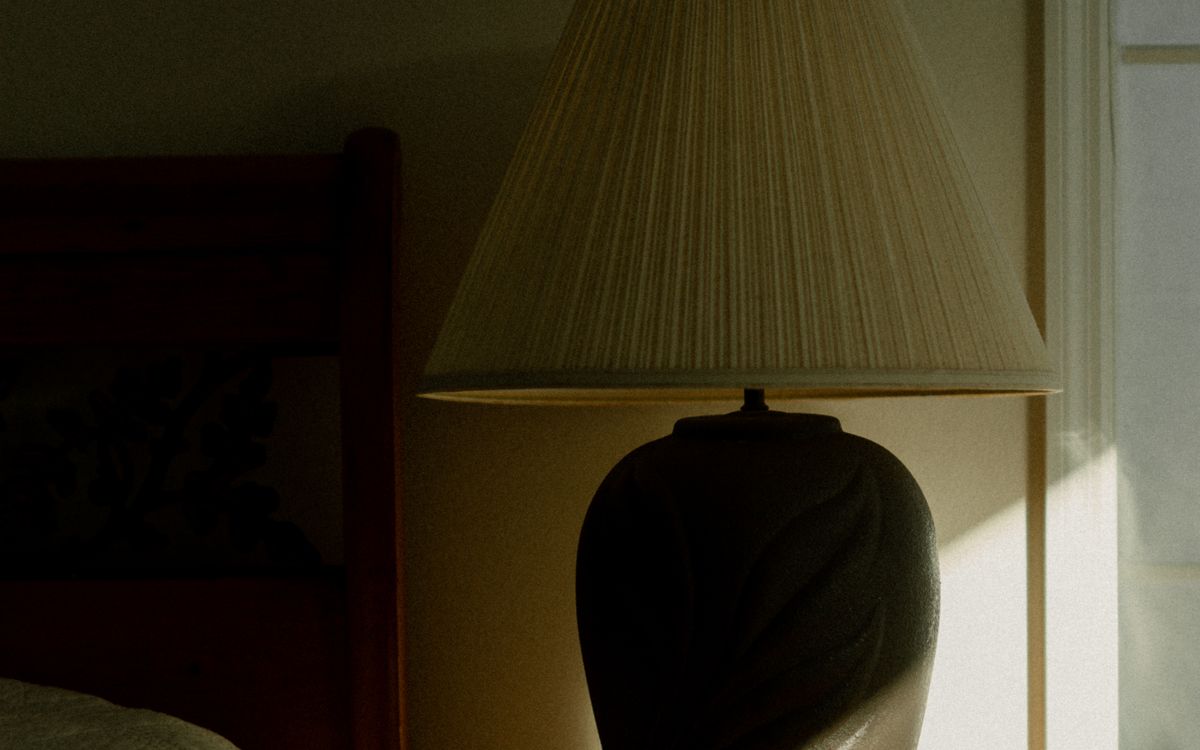
A layered bed is the difference between a bedroom that is tidy and a bedroom that is inviting. But most attempts at layering go one of two ways - flat, where everything matches so nothing stands out, or bloated, where five layers of warmth nobody sleeps under turn making the bed into a morning negotiation. The skill is stacking texture without stacking bulk.
The method below is the one I settled on across ten years of styling bedrooms for photo and for living: five texture families, an order that keeps the heaviest layers at the bottom, and a rule for when to stop adding.
The order the layers go on
Bedding stacks in a fixed sequence, and each position has a job.
First: the fitted sheet. Crisp and thin - percale or a jersey knit, whichever you sleep on. It is the only layer chosen for skin, not looks.
Second: the flat sheet. Optional but useful; it is the layer you wash weekly so the heavier layers above it wash monthly.
Third: the duvet or blanket - the warmth layer. One piece only. This is where bulk mistakes happen: a duvet plus a blanket plus a coverlet on top is three warmth layers, and the bed becomes a chore. Choose the warmth layer by season and stop there.
Fourth: the quilt or coverlet - the texture layer. This is the layer that does the visual work - folded back over the foot of the bed or spread across the whole thing. It sits on top of the warmth layer precisely so it can be pulled back in the night without disassembling anything.
Fifth: the decorative layer - shams and one accent pillow, added last, removed first.
Everything visual lives above everything functional, so the bed can be used and remade in a minute.
Texture family one: crisp cotton
Percale is the baseline that every other texture plays against. Its flat, matte, slightly cool surface is what makes a bed look awake - which is why hotel beds lean on it. In a layered bed, crisp cotton appears either as the fitted and flat sheets, or as the coverlet, but rarely both; an all-percale bed reads spare, not layered.
The pairing rule: put crisp cotton next to something with obvious surface texture. Percale flat against a nubby linen coverlet is the single most reliable combination in bedding - the contrast does the design work, and neither fabric adds bulk.
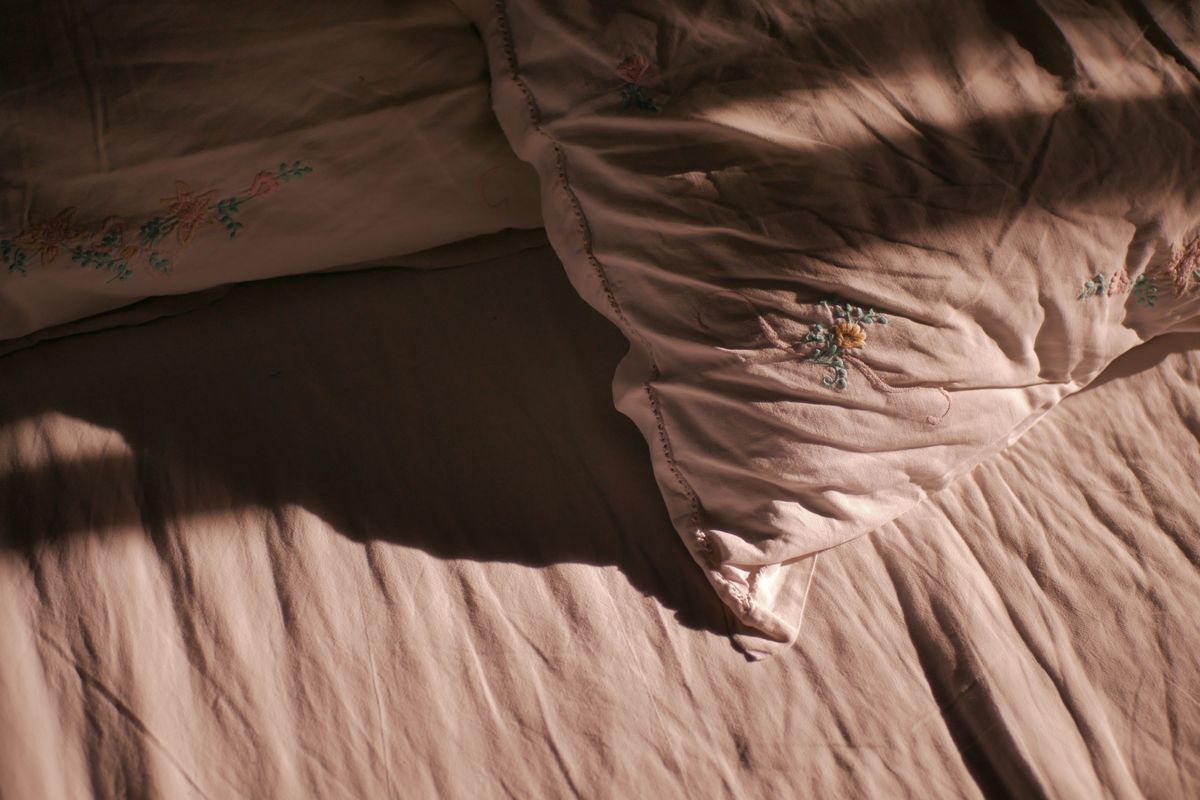
Texture family two: washed linen
Linen is the texture people mean when they say a bed looks relaxed. The slubs and soft wrinkles read as lived-in even when freshly made, and the fabric breathes - a linen duvet cover is usable across more of the year than its warmth suggests.
Its cost is visual weight: a full linen stack - linen sheets, linen duvet, linen throw - looks heavy and rumpled rather than casual. Linen works best as one member of a pair: linen sheets under a crisp cotton coverlet, or percale sheets under a linen duvet. Whichever way, one surface stays smooth to give the other’s texture a stage.
Texture family three: chunky knit and woven throws
Throws are the accent layer and the place bulk creeps back in fastest. A chunky knit folded across the foot of the bed adds a strong third texture and a hit of warmth for feet on cold nights; a flat woven throw in a tight weave adds pattern without weight.
Use one throw, not two. Two overlapping throws is the most common over-layering mistake I see, and it visually buries everything beneath. Fold it in thirds lengthwise so the texture shows on the surface but the mass stays thin, and drape it across the foot third of the bed or diagonally over one corner - full-width throws flatten the composition.
Texture family four: velvet and smooth synthetics
Velvet, brushed sateen, and smooth knits are the shine family - the counterweight to the matte textures above. A single velvet accent pillow or a lumbar in smooth brushed cotton catches lamplight and gives the bed its one glinting note.
The family’s rule is scarcity: one to two pieces, small surfaces, no large velvet blankets. Shine enlarges whatever it covers, so a velvet throw across the foot of a small bed visually widens the bed and the room loses the plot. In evening light, the smooth pieces are what make the whole stack read deliberate; without at least one, matte textures can look unfinished rather than textured.
Texture family five: waffle, quilted, and tufted
This is the middle-weight family - waffle weaves, lightly quilted coverlets, tufted shams - and it supplies the dimensional texture that sits between flat and chunky. A quilted coverlet is often the single most useful piece in the stack because it is thin enough for daily use and patterned enough to read as a layer.
Its pairing logic is the reverse of linen’s: this family works when the layers above and below it are smooth. Quilted coverlet over a percale-wrapped duvet with a smooth sateen sham behind is a complete three-texture bed.
The stacking rules that keep it light
Three disciplines hold the bulk down once you start combining families.
One warmth layer, always. Everything above the duvet is texture, not insulation. If winter demands more warmth, add it beneath - a flannel fitted sheet - so the visual stack stays the same thickness all year.
Three textures visible, four maximum. Count what the eye touches: crisp, nubby, dimensional, and one shine note is a full composition. Past four, the bed stops reading as styled and starts reading as merchandised. The same three-material logic applied room-wide is covered in the guide to bedroom texture mixing rules.
Weight increases downward. The heaviest fabric sits lowest - the throw is thinner than the coverlet, which is thinner than the duvet. When weight stacks the other way, the bed looks compressed, and nobody wants to sleep in a stack that looks like effort.
For the styling side - how the pillows sit in that composition and the combinations that photograph well - the guide to styling a bed like a designer picks up where the texture stack ends.
A seasonal rotation, and the one-minute test
Layering survives real life when it rotates instead of restarting. The stack I use in projects stays structurally identical across seasons; only the middle swaps. Winter: linen or flannel sheets, duvet up, coverlet folded at the foot. Summer: the same coverlet promoted to the main layer over a flat sheet, duvet stored, throw moved to a bench. The textures - crisp, nubby, dimensional - stay in play; the warmth moves underneath.
That rotation is also the budget argument for texture over bulk: three well-chosen textures restyled four times a year outperform eight pieces bought once. If the wider room needs the same restraint, the minimalist bedroom checklist applies the less-but-better logic to the whole space.
Before committing a combination, though, make the bed once and time yourself. If remaking the daily stack - sheets straightened, duvet up, coverlet folded, three pillows placed - takes more than a couple of minutes, the stack is over-built, because nobody maintains a routine that annoys them. A layered bed you actually remake every day beats a layered bed you photograph once. Texture is what you see; discipline is what keeps it.
Frequently asked questions
- How do you layer bedding without making the bed too warm?
- Layer textures, not layers of warmth. Use one light quilt or coverlet as the visual top layer instead of stacking multiple duvets, keep the middle layers thin, and let the lower half of the bed carry the heaviest piece so you can throw a leg out.
- What textures work together in bedding?
- Contrast is the rule: crisp percale against nubby linen, smooth sateen against chunky knit, flat weave against tufted velvet. Pair two or three contrasting textures and the bed reads layered; pair similar textures and it reads rumpled or flat.
- How many pillows should a layered bed have?
- Two sleeping pillows per person plus no more than three decorative ones - a pair of euro or square shams behind, and one accent pillow or lumbar in a contrasting texture. Past that, the bed takes longer to make than anyone keeps up with.