Small Spaces
Renter-Friendly Bedroom Upgrades
Bedroom upgrades that cost little and undo cleanly - no-drill fixes, removable lighting and textiles, and the changes that follow you to the next apartment.
By Mara Bennett · Published April 20, 2026 · Updated April 20, 2026
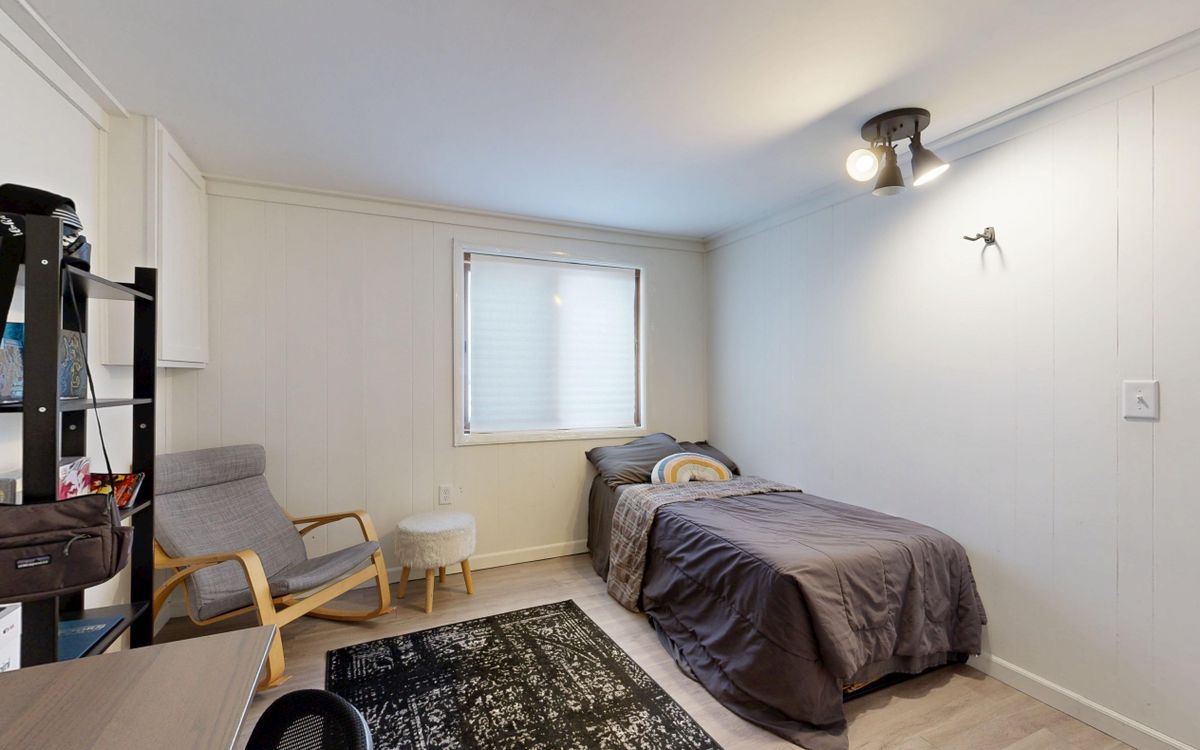
Rental bedrooms share a particular kind of defeat: beige walls you cannot paint, one glaring ceiling fixture on a pull cord, a radiator you cannot move, and a built-in wardrobe from another decade. The good news from ten years of working in rented rooms is that the things making the room feel temporary are almost all reversible - and the reversible fixes are also the cheap ones. This is the checklist I use to make a rented bedroom feel settled, ranked by how much they change the room per unit of effort, with the deposit math done honestly.
Start with the deposit rules
Before any upgrade, read the lease and sort the moves into three buckets: free (anything no more permanent than furniture placement), ask-first (paint, wall anchors for heavy pieces, swapping fixtures), and never (anything touching plumbing, electrics, or the structure). Most landlords say yes to a repaint in a neutral colour if you offer to return it to white at move-out - a written message with the paint name and code is enough. The mistake I see is not asking: renters either live with walls they hate or paint without permission and lose money over a shade of grey.
Every fix below sits in the “free” bucket unless noted. That is the design constraint: everything must undo cleanly, which has a side benefit - most of it moves to the next apartment with you.
The bed: the one place to spend properly
The single biggest upgrade in a rented bedroom costs no permission at all: a proper mattress and bedding you actually like. If the mattress is the landlord’s hand-me-down, a mattress topper in the 5-8 cm (2-3 in) range changes how the bed feels for a fraction of a new mattress. Then invest in bedding in a colour scheme you chose - this is the one surface you touch every day and the one thing no landlord controls.
Two more bed-zone fixes that rent well:
- A headboard that leans, not mounts. A freestanding headboard or a mounted-look panel hung on two heavy-duty adhesive strips defines the bed without touching the wall structure.
- A bed frame with storage, chosen to be moved. If you are buying a frame anyway, pick one that disassembles with a hex key - future-you moving apartments will care about this more than headboard style.
Light: fix the one-fixture problem
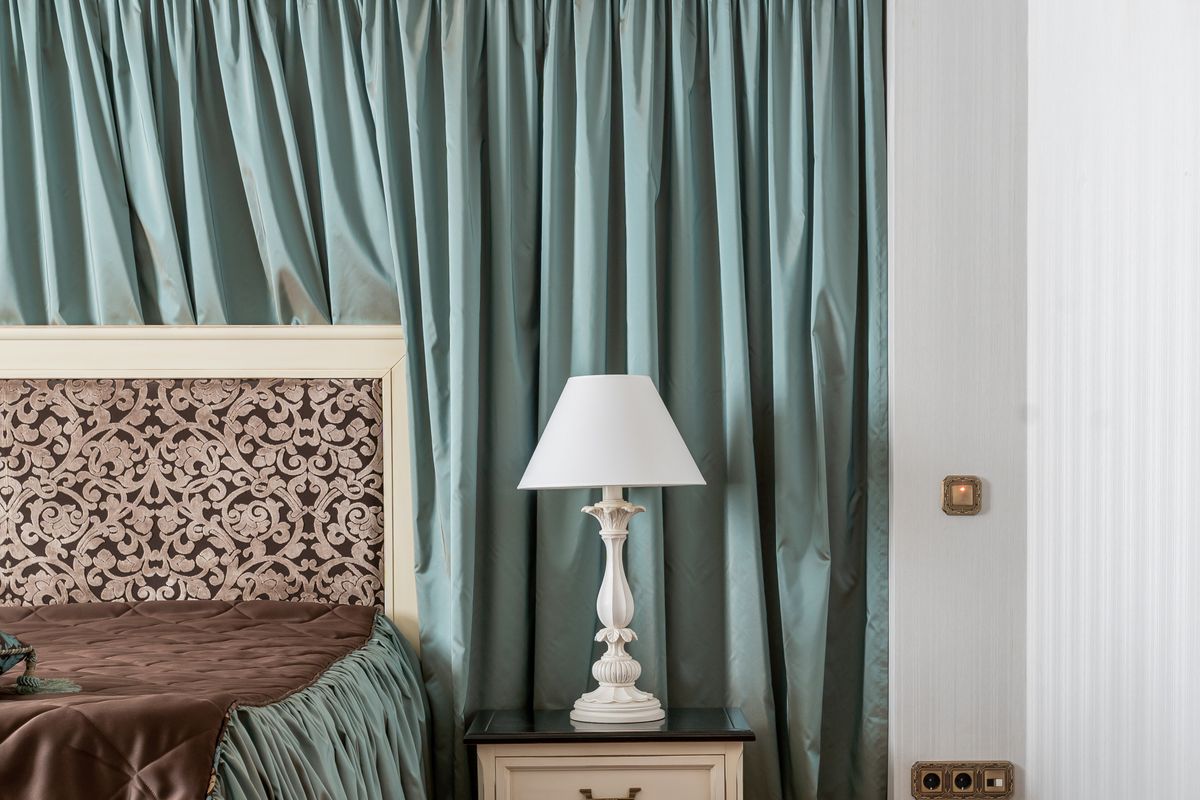
Most rental bedrooms have a single ceiling fixture, usually switched at the door, and that is the main reason the room feels like a hospital at night. The no-drill fix is layered plug-in lighting:
- Bedside lamps for the task layer - one per side if the bed is shared, dimmable if possible.
- A plug-in floor lamp in the darkest corner, aimed at the ceiling, to lift the ambient layer off the walls.
- Plug-in wall sconces or picture lights hung on adhesive hooks, for the warm accent layer that makes the room read as finished.
Three points of light at different heights does more for a rented room than any colour on the walls. Keep the receipt boxes for the adhesive hooks - the stretch-release strips come off clean when removed slowly and sideways. The full layering method, including the bulb temperatures that make it work, is in my guide to bedroom lighting layers.
Windows: the highest-value reversible upgrade
Blackout capability is the upgrade renters skip most and notice most. If the existing curtains are thin, you do not need to replace the landlord’s rod: hang a second, deeper rod above and outside the first, with blackout panels that overlap the window frame by 15-20 cm (6-8 in) on each side. The difference in morning light - and in a room that stays cooler on summer evenings - is immediate.
Tension rods cover the small-window cases and leave no mark at all. For awkward windows where nothing fits, a blackout roller blind cut to size and mounted on adhesive brackets covers the gap. I go through the hanging geometry - the brackets, the overlap, the layering - in my piece on combining blackout and sheer curtains, which applies intact to rented windows.
Walls, floors, and the third dimension
Bare walls and bare floors are what make a rental look unloved, and both are fixable without fixings:
- Textiles on the walls. A quilt, a rug, or a fabric wall hanging on adhesive strips adds colour and softens echo. This is the reversible answer to “I can’t paint.”
- Peel-and-stick, chosen carefully. Removable wallpaper and panels work, but only on smooth, well-prepped walls; on aged paint they can pull the surface off at removal. Do the patch test on a hidden square first, and budget the patience - rushed removal is where deposits die.
- A rug over hard flooring. Beyond warmth underfoot, a rug kills the rented-room echo and defines the bed zone - the same boundary trick that does the zoning work in a studio. Non-slip pads matter on laminate; a pad also protects the floor from dye transfer, which is the failure mode that costs money.
- A large leaning mirror. One that stands on the floor against a wall does the light-bouncing work of a hung mirror with zero hardware.
Storage that stands on its own
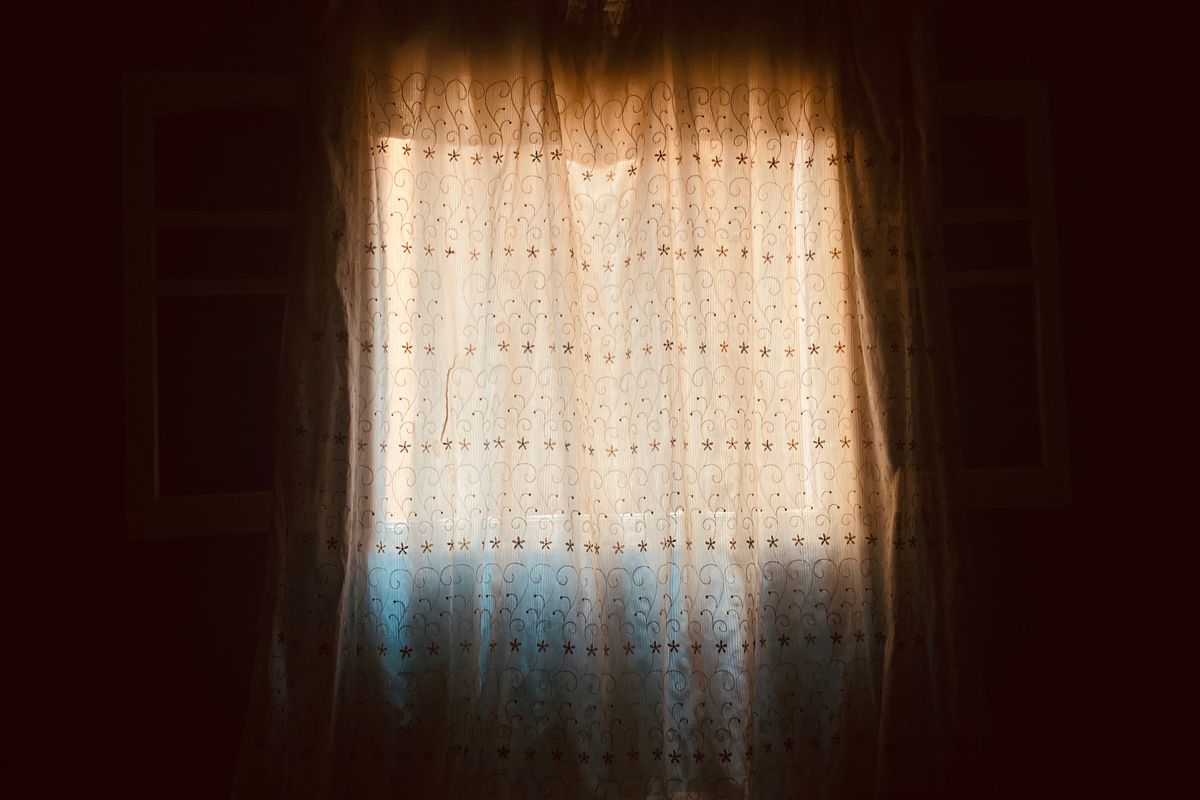
Rental bedrooms are chronically under-storied, and the built-in wardrobe rarely helps. Every storage fix that works in a rental is freestanding:
- A dresser instead of shelves you would have to mount. 45-50 cm (18-20 in) deep, placed outside the door swing.
- Under-bed rolling bins, sized to the clearance under your frame - this is the storage no landlord can argue with.
- Over-door hooks and pocket organisers for the daily clutter: bags, jewellery, tomorrow’s clothes.
- A garment rail, freestanding, if the wardrobe genuinely fails - a clothes rack with a curtain front reads as a closet for the price of one afternoon.
If the floor is completely spoken for, the vertical moves in my tiny-bedroom storage playbook are all freestanding too; nothing there needs a drill.
The changes that follow you
The quiet argument for renter-friendly upgrades is that most of them are portable assets: lamps, blackout panels, rugs, bedding, mirrors, freestanding storage. Buy them once, to your own taste, and every future apartment starts half-finished. The only spend that stays behind is anything adhesive - and those are the cheapest items on the list.
What not to bother with in a rental: built-in-style joinery, wired wall lights, anything that needs patching on move-out, and bespoke pieces cut to this room’s odd corners. In two years you will move, and the bespoke items will not.
One last habit from my own rental years: photograph every wall and corner on move-in day. When the deposit conversation comes, the pictures settle it - and you can spend the recovered deposit on the next room.
Frequently asked questions
- How can I upgrade my rental bedroom without drilling?
- Lean on tension rods, adhesive hooks rated for the weight you need, freestanding furniture, and plug-in lighting. Curtain track can be mounted with strong adhesive or a tension rod, and most textile changes - bedding, rugs, curtains on your own rod - need no fixings at all.
- Will command strips and adhesive hooks damage walls?
- The stretch-release strips are designed to come off cleanly on painted drywall when used within their weight rating and removed slowly. The risk spots are wallpaper, poorly prepped paint, and textured plaster - test in a hidden spot first and move the fixture if the patch test fails.
- What upgrades are worth doing in a rental bedroom?
- The ones you will take with you or that improve sleep directly: blackout curtain linings, layered lighting on plug-in fixtures, a proper rug over hard flooring, and storage that stands on its own. Painting and fixed fittings usually are not worth the deposit risk unless your landlord agrees in writing.