Color & Texture
How to Choose a Bedroom Paint Finish
Matte, eggshell, or satin for bedroom walls - how each finish handles light, scuffs, and cleaning, and why bedrooms tolerate the finish other rooms cannot.
By Mara Bennett · Published February 17, 2026 · Updated February 17, 2026
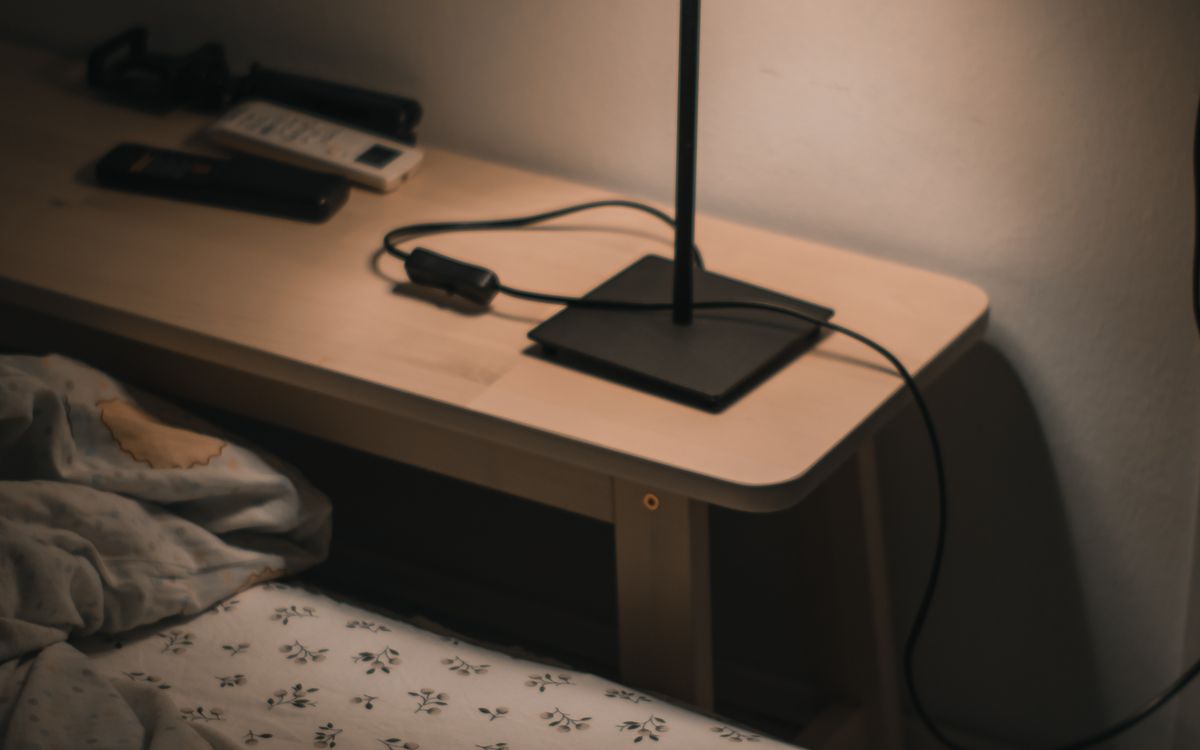
Paint finish is the decision nobody photographs and everybody feels. Two bedrooms can wear the same color while one looks soft and expensive and the other looks slightly greasy - the difference is sheen. And unlike color, finish decides how the walls behave for the next five years: how they catch lamplight, how they take a scuff, whether a wiped fingerprint disappears or turns into a shiny patch.
The good news: bedrooms are the easiest rooms in the house to choose finish for. The wall surfaces are large, the traffic is low, and the light is warm and low-angled. That combination lets bedrooms use the flattest finishes - the ones that look best and are hardest to clean - with less risk than anywhere else in the home.
What finish actually changes
Sheen is a scale, from none to glossy, and every rung trades looks for washability.
Matte (also called flat) reflects almost no light. It reads deep and even, hides small plaster flaws, and makes color look the way the card promised. The cost: it is the least washable - aggressive scrubbing burnishes the surface and leaves sheen patches.
Eggshell carries a low, egg-like sheen - hence the name. It wipes clean with a damp cloth far more forgivingly than matte, but that same sheen catches light and reveals wall imperfections that matte would have hidden.
Satin and semi-gloss reflect enough light to be genuinely scrubbable. They are the finish of doors, trim, and baseboards, and in bedrooms they belong on woodwork, not on the big walls - a satin wall in lamplight glows in all the wrong places.
The scale repeats across brands under different names; always check the manufacturer’s sheen description rather than the label alone, because one brand’s eggshell is another’s low-satin.
The default answer for bedroom walls
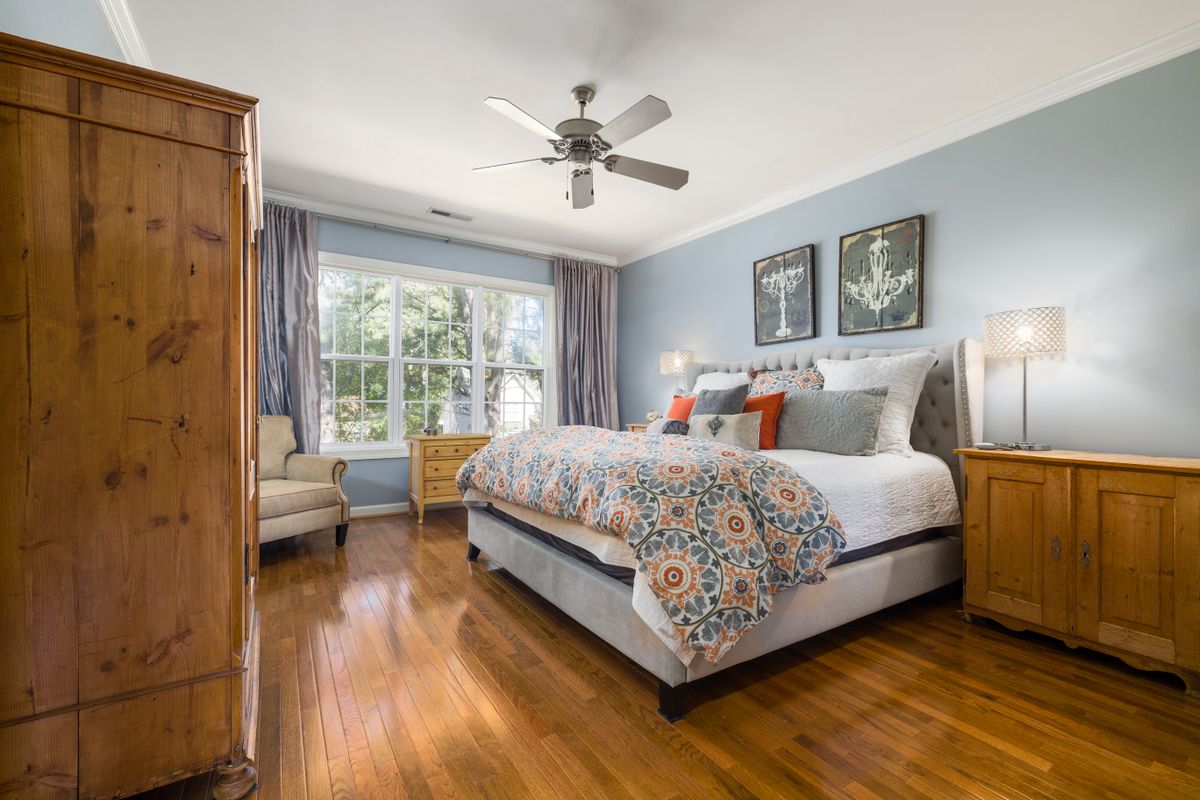
For most bedrooms, matte on the walls, satin or semi-gloss on the trim, and flat white on the ceiling. This is the combination that photographs softly, ages quietly, and costs nothing extra.
Matte suits bedrooms specifically because of how the room is lit. Bedroom light is almost all lamps - low, warm, and angled - which is exactly the light that slides across a sheened wall and announces every roller mark and trowel nick. Matte absorbs that light, so flaws vanish and the color saturates. In a south-facing room with hard daylight, the difference narrows but still favors matte for the same hiding effect.
The washability concern is real but smaller than it sounds. Bedrooms simply generate less grime than hallways and kitchens: hands rarely brush bedroom walls, furniture scuffs are the main risk, and those wipe off modern matte paints fine with a damp sponge. Scrub-patches happen when people treat matte like satin; wipe gently and it holds up.
When eggshell is the better call
Switch walls to eggshell when the room’s life is harder than the average bedroom’s.
Children’s rooms and shared rooms. Crayon at mattress height, hockey-stick bedframes, and wall-adjacent play all argue for a finish that takes repeated wiping. Eggshell forgives the scrubbing that matte punishes.
The wall behind the bed head. Oils from hair and skin build up on the wall a bed sits against, and in rentals particularly, that wall gets wiped often. Eggshell on just that wall - matte elsewhere - is a common pro compromise.
Rental turnarounds. If you repaint for a tenant change or plan to repaint rarely, eggshell’s durability buys back the sheen cost, because the wall that survives cleaning is the one that skips a repaint cycle.
One caution when mixing: sheen differences read as color differences. A matte wall and an eggshell wall in the same paint can look like two shades in raking light. On the headboard wall that contrast is intentional; anywhere else it reads as an error.
Ceilings, trim, and the fifth surface
The ceiling is the most overlooked finish decision, and the rule is strict: flat, and in most bedrooms plain white. A ceiling with sheen throws light back down and visibly telegraphs every roller overlap; flat white swallows its own flaws and, more usefully, makes the walls’ color read truer because nothing above is competing. Very tall or coffered ceilings can take a matching flat wall color for a cohesive look, but the sheen stays flat either way.
Trim wants the opposite treatment. Baseboards, door frames, and window frames take contact - vacuum heads, shoes, hands - and satin or semi-gloss lets you wipe them without ceremony. The slight sheen contrast between scrubbable trim and matte walls is one of the quiet signatures of a professionally painted room: it delineates edges without any color change at all.
Doors follow trim. A bedroom door in matte looks chalky within a year of hands; satin or semi-gloss keeps it cleanable.
Color and finish interact more than people expect
The same color shifts appearance across sheens, for two physical reasons.
Sheen changes perceived depth. Matte surfaces scatter light, so the pigment reads richer and slightly deeper; the same color in eggshell reads a touch lighter and flatter. When testing color, sample it in the finish you plan to buy - a matte swatch cannot predict how an eggshell wall will look.
Sheen changes what light does to the hue. A warm clay in matte reads soft and blended; in satin it picks up highlights that exaggerate the undertone. This is one reason warm and saturated colors so often disappoint when someone upgrades the sheen for durability - the mood palettes assume matte-scale sheen on the walls, and the mood they describe assumes light is being absorbed, not reflected. If you are rebuilding both color and finish, the guide to bedroom color palettes sorted by mood covers the hue choices that pair with this article’s sheen logic.
The ordering that prevents repaint regret
Finish is chosen at the store and confirmed at the wall. The sequence that saves both money and weekends:
First, decide the finish plan by surface - walls, headboard wall, trim, ceiling - using the rules above, before touching color. Finish constrains color more than color constrains finish. And if one wall will carry a deeper color while the rest stay light, the accent wall ideas for bedrooms guide shows how to keep a single strong wall restrained.
Second, sample color in the real finish. Two coats on a board, in the actual sheen, moved around the room: daylight, lamplight, and dark. Paint counters can tint nearly any color into any sheen, so there is no excuse for a color-finish mismatch discovered on roller day.
Third, buy one sheen per surface, not one per room. The most common DIY error is a single can decision covering walls and trim alike. Matte walls with satin trim means two products, two labels, clearly marked rollers.
Maintenance habits that make either finish last
Whichever finish you land on, two habits stretch its life. Wipe scuffs with a damp microfiber cloth and a drop of mild soap, always testing in a corner first - and always blot rather than scrub, which is the single behavior that separates a clean wall from a burnished patch. Touch up with leftover paint kept sealed and shaken; a wall that gets touched up in year two never needs the full repaint that an unmaintained wall reaches by year five.
Keep the leftover cans labeled by surface - walls, trim, ceiling - because touch-up paint of the wrong sheen leaves a visible ghost patch even when the color matches perfectly.
Frequently asked questions
- What paint finish is best for bedroom walls?
- Matte is the standard choice for bedroom walls - it hides minor surface flaws and reads rich and even in lamplight. Choose eggshell instead if the room gets hard daily use, kids share it, or you want walls that wipe clean without streaking.
- Does matte paint wash off walls?
- Modern matte paints wipe with a damp sponge for fingerprints and dust, but repeated scrubbing can leave shiny patches. For surfaces you scrub often - doors, trim, the wall behind a light switch - use eggshell or satin rather than matte.
- Should bedroom ceilings be painted flat white?
- Yes in almost every bedroom. Flat white absorbs light instead of reflecting it, so the ceiling disappears and the walls read as the color you chose. A sheen on a ceiling shows every roller lap mark in lamplight.