Lighting & Ambience
An Evening Wind-Down Lighting Routine
A stage-by-stage evening lighting schedule that takes a bedroom from full brightness to sleep - which lamps dim, when, and what to buy to run it.
By Mara Bennett · Published August 12, 2026 · Updated August 12, 2026
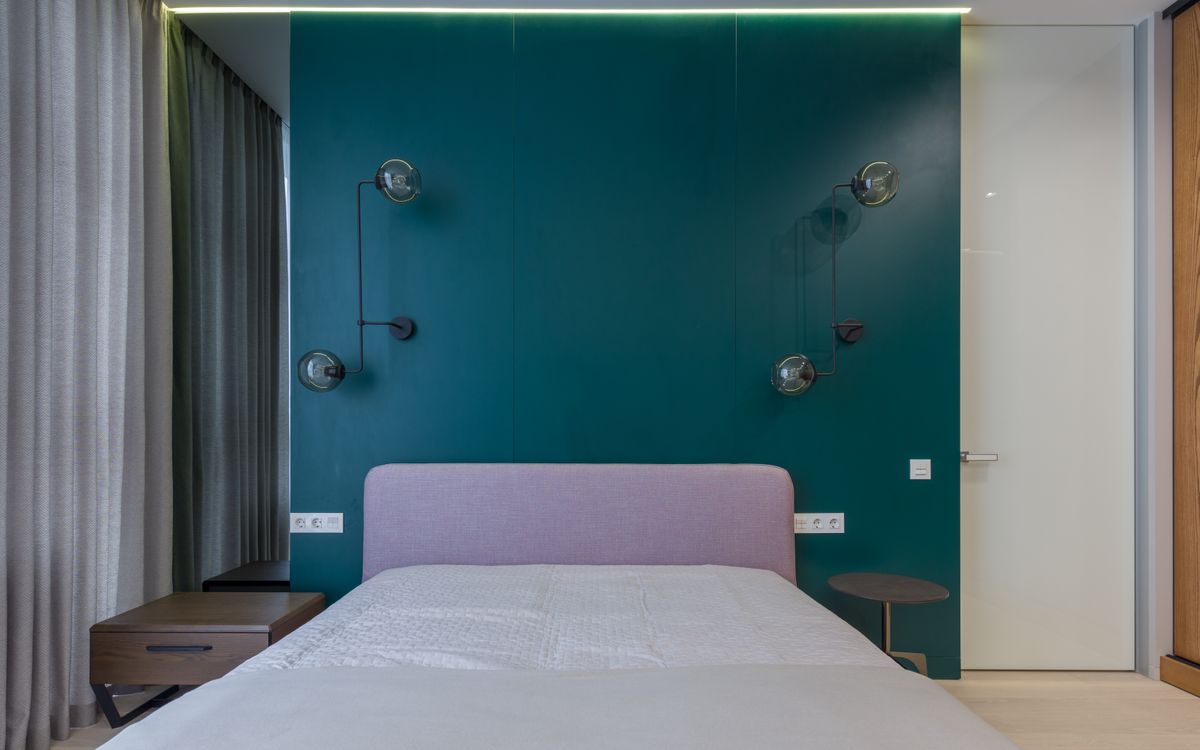
The last hour of a bedroom’s day is usually handled as one event - the light switch, off, dark - and it is the harshest transition the room makes all day. A wind-down routine replaces that single switch with a sequence: light by lamp, stage by stage, over the hour before bed. The room dims around you instead of collapsing, and your eyes and habits follow it. I set this routine up for clients more often than any other lighting change, because it costs almost nothing in hardware and changes how the last hour of the day feels.
The routine in one paragraph
One to two hours before bed, the ambient light drops to half or off. Task light - the reading lamp - carries on while you finish the evening’s activities. As bedtime approaches, task light goes too, and one small, warm, low lamp takes over: on the nightstand, on the dresser, wherever it can glow without pointing at anyone’s face. The last lamp stays on while you get into bed and goes off last, by hand or on a timer. That is the entire routine, and its power is repetition: the same stages in the same order every night.
The stage-by-stage schedule
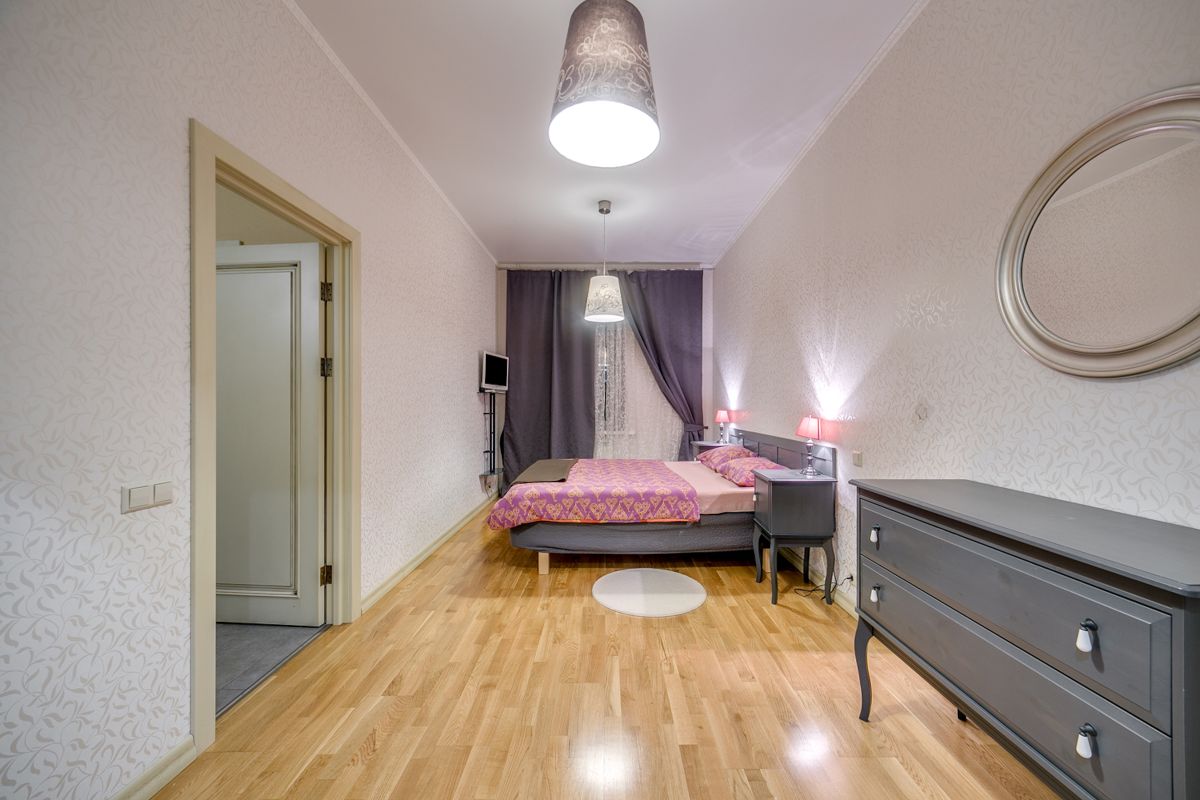
The stages anchor to time before bed rather than clock times, because bedtimes move and the routine should not:
| Stage | When | What runs | What turns off |
|---|---|---|---|
| 1 | 2 hours before bed | Ambient at half, task light on, accent on | Ceiling or main ambient at full |
| 2 | 1 hour before bed | Task light and accent only | Ambient down to off |
| 3 | 30 minutes before bed | The last warm lamp only | Task light off |
| 4 | Lights-out | Nothing, or a timed accent that fades | The last lamp |
Stage 1 is the one people resist, because half-bright light feels impractical while you are still moving around. Give it a week. The dimmed ambient layer is bright enough for everything except fine close work, and the task light picks up whatever fine work remains. Stage 2 is the quiet shift - this is where the room starts signaling rather than serving. Stage 3 is the destination: one lamp, warm and low, that keeps the room from going fully dark until you choose to.
Choosing the bulbs for each stage
Every lamp in the routine should run warm - 2700K is the standard bedroom choice, and the kelvin guide covers the full scale. For the last lamp, the one that carries the final half hour, bulbs sold at 2200K are worth seeking out; they sit at the candlelight end of the range and give the room its lowest, most evening-appropriate glow. What the routine never uses is anything cool: a 4000K bulb at stage 3 undoes the whole sequence in one switch.
Brightness matters as much as color. The last lamp wants a bulb of 200 to 450 lumens - the brightness of an old 25-to-40-watt bulb on ENERGY STAR’s chart - and a shade that softens it further. A bare bulb at this stage, even a warm one, reads as a spotlight in a dimmed room. Dimmable bulbs earn their small price premium here, since stage 1’s half-brightness depends on it; confirm the package says dimmable and that your dimmer matches the bulb type, because mismatched pairs flicker.
Where the last lamp lives
The final lamp’s placement decides whether the routine feels gentle or stage-lit. Three placements work, in order of how often I use them. The nightstand lamp with the shade angled away from the pillow gives light exactly where you end up, without pointing at your face when you lie down. A dresser lamp across the room gives the whole space a low, even glow and keeps the bed itself in shadow, which reads as darker than it is. A floor lamp in the corner behind or beside the bed, aimed at the wall, bounces the last light off a surface so nothing glares.
What to avoid: any light at face height across from the bed, and any downward-pointing fixture that makes a pool of brightness on the floor in the middle of a dim room. At stage 3 brightness, direction is everything - glow spreads, spots glare.
Making it automatic
The routine runs fine by hand, and hand-run has an advantage: the stages stay deliberate, part of the evening rather than invisible. But if the schedule collapses every night because you are reading past the stage changes, two levels of automation fix it. Smart plugs behind lamps make any fixture dimmable-and-schedulable for a small cost per plug - the lamp dims at 10 p.m. whether or not you remember. Smart bulbs go further, scripting the whole sequence: ambient to fifty percent at a set hour, bedside lamp dropping to twenty percent thirty minutes later, everything off at lights-out. The smart bulb guide covers which of those features are worth paying for.
One caution for the automated version: keep the final stage a real off, not a fade to a lingering glow, unless you specifically sleep with light. The routine’s purpose is a gradual approach to darkness, and darkness is the endpoint.
What the routine fixes
Beyond the comfort of it, the routine solves three specific problems. It removes the brightness cliff - the full-to-dark switch that leaves you squinting at the ceiling after lights-out and awake longer than you meant to be. It gives shared bedrooms a fair middle state, where one person reads under task light at stage 2 while the room already feels half asleep. And it makes the bedroom’s lighting hardware finally pay for itself: lamps bought as decor get used nightly, dimmers get exercised, and the room develops a rhythm you can feel from the door. If your lamps and their placement are still undecided, the lighting layers guide is the structural starting point this routine assumes.
Frequently asked questions
- What is an evening wind-down lighting routine?
- It is a fixed order for turning lights down instead of off: ambient light drops first, task light carries on for reading, and the smallest warmest lamp stays on last. The stages run over one to two hours before bed, and the same sequence every night is what makes the room cue sleep.
- What kelvin should evening bedroom lights be?
- 2700K for every lamp in the wind-down sequence, and 2200K bulbs are worth considering for the very last lamp, since they sit at the candlelight end of the scale. Anything cooler than 3000K works against the routine - save cool light for daytime rooms.
- Do I need smart bulbs for a wind-down routine?
- No. The routine works with any lamps you switch by hand, as long as the bulbs are dimmable or the lamps sit behind dimmers or smart plugs. Smart bulbs simply automate the stages once the schedule itself is settled.